7. Natural resources.
In the U.S., one-third of all raw materials, including fossil
fuels, are used to produce livestock, plus more than half
of all water consumed. It takes 100 times more water to produce
one pound of animal protein than vegetable protein. Most of
our crop- land supports livestock production; only 2% grows
fruits and vegetables. In the international meat market, millions
of hectares of rain forest have been destroyed for grazing.
8. Cholesterol. Half of American men who
consume meat and dairy products risk death from a heart attack,
compared to 4% of those who do not. There's no cholesterol
or saturated fat in grains, legumes, vegetables, nuts, fruits
or seeds. The body makes its own dietary cholesterol.
9. Pollution. The meat industry wreaks colossal
damage on the earth's ecosystems. Every second, U.S. livestock
produce 230,000 pounds of excrement. Ammonia from animal waste
and agricultural fertilizers contributes to acid rain, which
kills aquatic and plant life. Livestock emit one-fourth of
the methane that contributes to global warming. Agricultural
water pollution from manure, pesticides and run-off of soil
is greater than all municipal and industrial sources of pollution
combined. A 50,000-acre pig farm now under construction will
generate more waste than the city of Los Angeles!
10. Compassion. We pamper our poodles, but treat
other animals as commodities without feelings rather than
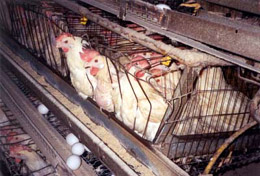
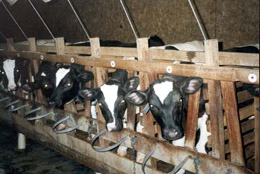
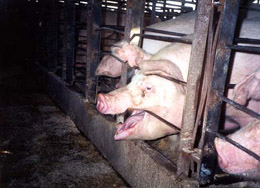
as living creatures deserving respect. Factory farms condemn
them to lives of misery followed by shipment-often internationally-without
food or water to unnecessarily painful, violent deaths. If
you doubt this, visit a slaughterhouse or factory farm. Only
mass denial allows this cruelty to continue. And only your
willingness to change can stop it. The next time you sit down
to a meal, think what the animal you're about to eat went
through for your few moments of unhealthy pleasure.
For vegetarian recipes, go to www.fatfree.com
www.vrg.org
www.ivu.org/oxveg